



ATMOSPHERE HEAT TREATMENT FURNACE SYSTEMS
Atmosphere heat treatment technologies and equipment
In the production of atmosphere heat treatment solutions, we use our extensive experience and state-of-the-art technology to simplify installations, reduce investment costs, and reduce consumption of process utilities.
-
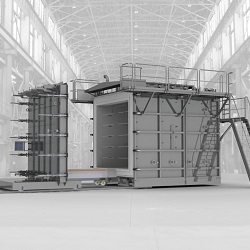
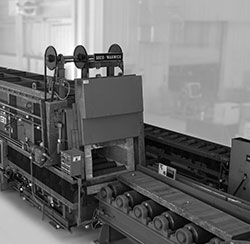
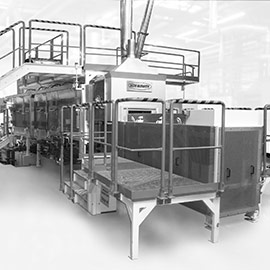
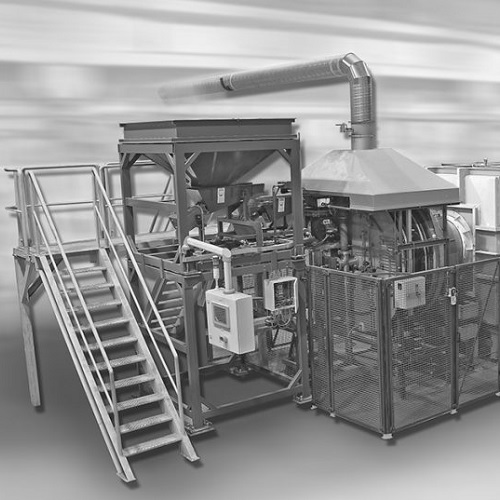
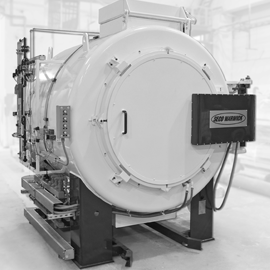
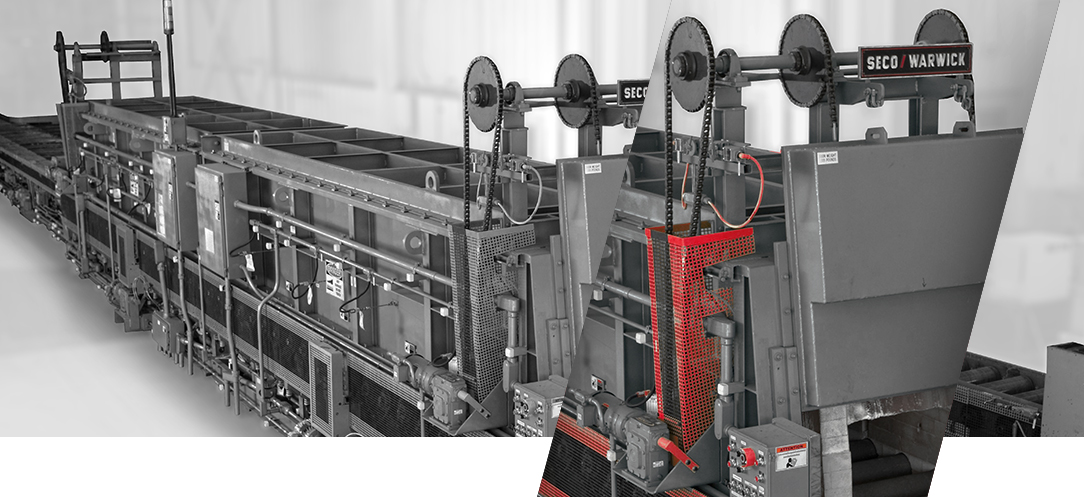
Laboratory furnace for fire resistans testRoller Hearth furnace for atmosphere heat treatmentMesh Belt type furnacesRotary Retort Furnace Systems
SECO/WARWICK is a world leader and innovative manufacturer of Solution Heat Treatment Furnace Systems with decades of experience. We provide the complete solution to your needs for a custom designed system. Many factors contribute to the overall efficiency of SECO/WARWICK’s solution heat treatment systems. Convection heating using high velocity air distributes heat evenly and efficiently, producing close temperature uniformity. Our time-tested insulation system further enhances efficiency, and has proven to be one of the most durable linings on the market today. A variety of circulated airflow patterns add further efficiencies to our furnace designs.
Nitriding and Ferritic Nitrocarburizing (FNC) furnaces/ Technologies:
Carbonitriding, gas carburizing, hardening, tempering, annealing, spheroidization./ Industries:
aerospace, automotive, bars, bearings, commercial heat treatment, defense, electrical steels, energy, extrusion dies, machinery, saw & blades, springs, steel coils, titanium, transmission & other gears, tube & pipe/ Products:
Fire Resistance, Roller Hearth, Mesh Belt, Rotary Retort, Nitriding Retort, Sealed Quench/ Unique features:
- technological equipment configured to customer specifications.
- turnkey startup includes SECO/WARWICK management of the technology, logistics, installation, service and training of equipment operators.
/ Operating conditions:
atmosphere of air, inert gas (nitrogen), active atmospheres for carburizing and other active diffusion atmospheres, in high temperature systems up to 1000°C/ Application:
our solutions are used in a variety of heat treatment processes, e.g.: annealing, spheroidization, tempering, solution heat treatment./ Portfolio:
single- and multi-chamber furnaces:Mesh belt, roller, Endogas endothermic atmospheric generators and Exogas exothermic atmosphere generator, atmosphere control and regulating devices